7 Essential Steps to Master AI Trading for Real Results
· based on the channel Richard Cooper
Key takeaways
- AI trading bots automate buy and sell decisions using algorithms and data analysis
- GPT6-Astra is an example AI bot tested for a 24-hour live trading session
- Proper setup includes API integration, strategy configuration, and risk management
- Monitoring and adjustments are necessary despite automation for best outcomes
- Results from real accounts show potential but also risks of AI trading bots
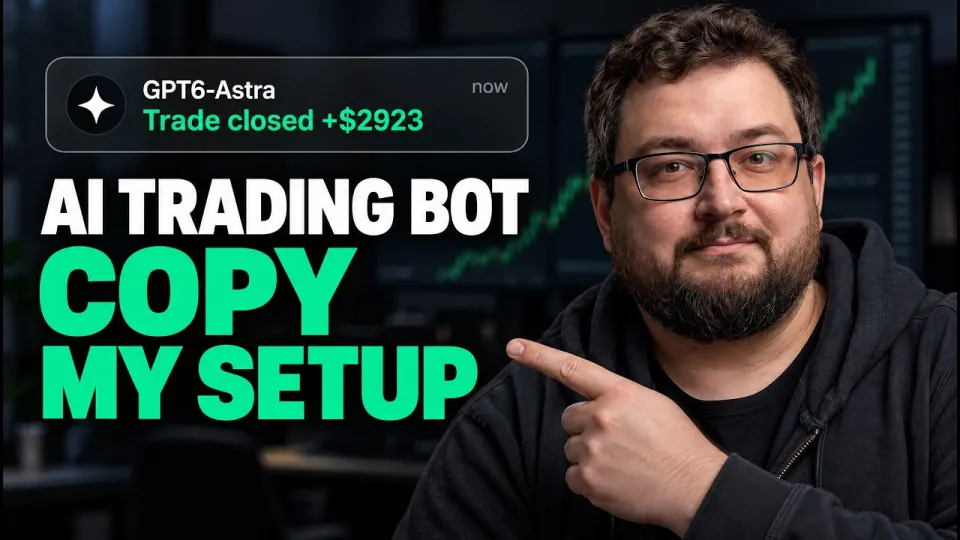
Video: I Tested an AI Trading Bot for 24 Hours: Real Results (GPT6-Astra)
AI trading has revolutionized how traders approach the cryptocurrency and stock markets by automating complex decisions using artificial intelligence. AI trading bots like GPT6-Astra analyze market data, execute trades, and manage portfolios 24/7, aiming to capitalize on market opportunities without the trader watching charts constantly. The bot tested by Richard Cooper demonstrates how such automation can work in practice with clear configuration steps and real-time results. For those interested in setting up their own AI trading systems, following a structured approach is crucial.
Understanding AI Trading Bots
AI trading bots are software programs that use machine learning algorithms and historical market data to make informed trading decisions automatically. These bots scan multiple markets continuously, identifying patterns and signals faster than a human can. Unlike traditional algorithmic trading, AI bots continuously learn and optimize their strategies based on new data, improving over time. GPT6-Astra, the bot featured in the test, exemplifies this by adapting its tactics during live crypto trades.
Step 1 Setting Up Your AI Trading Bot
Setting up an AI trading bot requires connecting it securely to your trading accounts via API keys. This allows the bot to place trades on your behalf without giving full access to your account credentials. After integration, configure the bot’s trading strategy parameters such as risk tolerance, asset selection, trade size, and stop-loss limits. Careful configuration tailors the bot’s behavior to your personal trading goals and market conditions.
Step 2 Choosing the Right Trading Strategy
The success of AI trading depends heavily on the chosen strategy. Options include trend following, mean reversion, arbitrage, or scalping strategies. GPT6-Astra was tested with a strategy optimized for volatile crypto markets, focusing on short-term gains through rapid entries and exits. Users should select or customize strategies that fit their risk appetite and market preferences, often starting with backtesting results before going live.
Step 3 Managing Risk Effectively
Risk management is vital when using AI bots. Automatic trading can amplify gains but also losses if safeguards are not in place. Set strict stop-loss rules and maximum daily loss limits within the bot’s settings. Diversify asset allocation to spread risk and avoid overexposure to a single coin or stock. Continuous monitoring is recommended to intervene manually if unexpected market events occur.
Step 4 Monitoring Live Trades and Performance
Even though AI bots operate autonomously, monitoring live trades is necessary to ensure they perform as expected. The test by Richard Cooper showed how trades executed in real-time and the account balance updated accordingly. Observe metrics like win rate, average profit per trade, and drawdown. Adjust parameters if the bot deviates from your risk profile or market conditions change.
Step 5 Troubleshooting Common Issues
AI trading bots may encounter technical glitches, connectivity issues, or strategy underperformance. It is important to keep the bot’s software updated and maintain stable internet connections. If the bot repeatedly underperforms, consider pausing trading and reviewing the strategy or switching to a different AI model. User forums and support channels can provide solutions for common problems.
Step 6 Integrating AI Trading into Passive Income Workflows
One of the main appeals of AI trading bots is the potential to build a passive income stream. By automating trades, users free themselves from constant market monitoring. However, passive does not mean set-and-forget: periodic reviews and strategy updates are essential. Combining AI trading with other automated tools like portfolio trackers and tax calculators enhances overall workflow efficiency.
Useful Links
- Full AI Trading Bot Setup and Registration: https://tr.ee/ulE1zB
Conclusion
AI trading bots like GPT6-Astra offer a promising way to automate trading processes, potentially generating profits while reducing manual workload. However, success requires careful setup, strategy selection, and continuous oversight to manage risks and adapt to market changes. The 24-hour test by channel Richard Cooper provides valuable insights into real-world bot performance and practical steps for users. To explore AI trading yourself and access the tools mentioned, visit https://tr.ee/ulE1zB and start building your automated trading workflow today.
Questions & answers
What is an AI trading bot and how does it differ from traditional trading?
An AI trading bot uses artificial intelligence and machine learning to analyze market data and execute trades automatically, improving its strategy over time. Unlike traditional algorithmic trading, AI bots adapt dynamically to new data rather than following fixed rules.
How do I safely connect an AI trading bot to my crypto account?
You connect the bot to your account using API keys, which allow trading access without sharing your login credentials. It's important to use keys with limited permissions and enable security features like IP whitelisting.
Can AI trading bots guarantee profits without risk?
No, AI trading bots do not guarantee profits. Crypto markets are volatile and bots can incur losses. Effective risk management, such as setting stop-loss limits and diversifying assets, is essential to minimize potential downsides.
Do I need to monitor an AI trading bot constantly after setup?
While AI bots automate trading, regular monitoring is recommended to ensure strategies perform well and to make adjustments if market conditions change or technical issues arise.
Source: I Tested an AI Trading Bot for 24 Hours: Real Results (GPT6-Astra) · Markdown version